As curators of sun-soaked styles, swimwear, hats, and beach essentials, our care guide ensures your favorite items stay as vibrant as the memories they create. Dive into our tips, crafted with the same passion as our products, and let's make every summer moment last.
SWIMWEAR
Swimwear
Rinse immediately: After each use, rinse your swimsuit with cold water. This helps release salts, chlorine, and other microbes that damage the fabric over time.
Hand washing: Hand washing is the best method to wash your swimsuits. Use a mild detergent or a special swimsuit cleaner. Avoid washing in a washing machine as this can damage the fit of the swimsuit.
Avoid hot water: Hot water can weaken the elasticity of the fabric. Stick to cold or lukewarm water for washing your swimsuit to maintain its shape and color.
Avoid fabric softener: Avoid using fabric softener as this can affect the fabric and its elasticity. It is better to use a mild detergent.
Avoid contact with sunscreen: Sunscreen can stain or damage the fabric. Apply sunscreen at least 15 minutes before wearing your swimsuit so that your skin absorbs the sunscreen and it does not come into contact with the swimsuit.
HEADWEAR
Headware
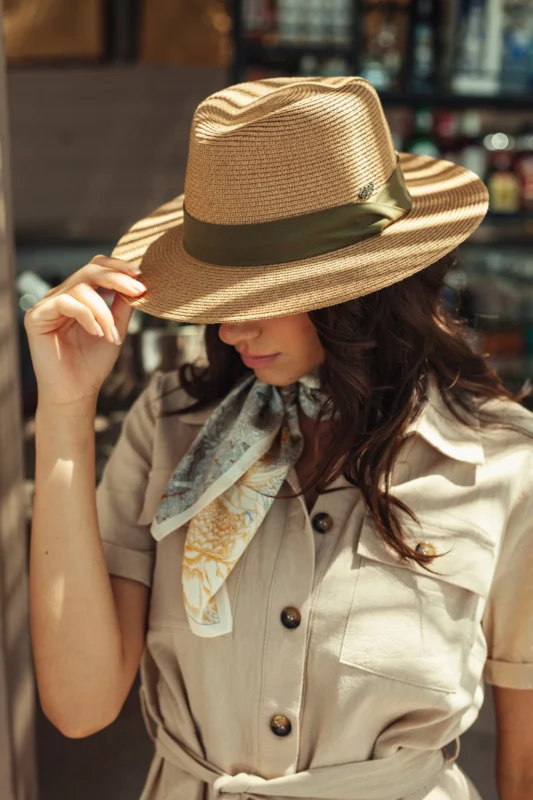
Dust frequently: Use a soft cleaning brush and remove dirt and dust from the surface of the hat. Dust your hat clockwise so that the dust does not spread to one side.
Spot Cleaning : For small stains, gently clean with a wet wipe or sponge with mild soap. Avoid using other chemical soaps or too much water as these may cause damage to the hat's material.
Protect it from weather conditions: Avoid exposing the hat to intense sun, rain and very high temperatures. The above weather phenomena may alter the color, shape and material of the hat.
Store with care: When not using your hat, store it in a cool and dry place. Use a hat stand to keep its shape and avoid stacking them as this can damage its shape.
Caution with moisture: Keep your hat away from wet and humid places as this can cause materials like straw to lose their shape. In case your hat gets wet, reshape it and let it dry naturally.
LINEN
Linen
Gentle washing: The method usually recommended for linen fabrics is hand washing. If machine washing is permitted, choose a delicate cycle in cold water to avoid fabric shrinkage and maintain its quality.
Mild detergent: Use a mild detergent or a detergent specially designed for delicate fabrics. Harsh chemicals can weaken the linen fibers and affect the color.
Separate colors: Wash linen items separately or with similar colors to avoid color bleeding and color transfer.
Natural drying: Natural drying is the best option for linen clothes. Lay the garment flat or hang it on a hanger to maintain its shape. Avoid direct contact with sunlight to prevent fading.
Ironing: Iron linen garments while they are slightly damp for best results. Use a medium to high setting and iron from the inside to avoid shine. If you prefer a more relaxed look, embrace linen's natural wrinkles.
Avoid harsh chemicals: Avoid using bleach or harsh chemicals on linen, as they can weaken the fibers and affect the fabric's color.
SILK SCARVES
Silk Scarves
Hand washing: Hand washing is the gentlest method for cleaning silk. Use cold water and a mild detergent designed for delicate fabrics. Gently agitate the water and avoid rubbing or wringing the scarf.
Avoid bleach and harsh chemicals: Never use bleach or harsh chemicals on silk, as they can damage the fibers and affect the color.
Rinse thoroughly: After washing, rinse the scarf thoroughly with cold water to remove any detergent residue.
Air drying: Lay the silk scarf flat on a dry towel in its natural shape to air dry. Avoid hanging it, as the weight of the water can distort the fabric.
Avoid direct contact with sunlight: Silk is sensitive to sunlight, so avoid drying your scarf this way to prevent color fading.
Protect from jewelry: Be careful with jewelry, especially sharp or rough pieces, as they can snag or pull the delicate silk fibers.
JUTE BAGS
Jute bags
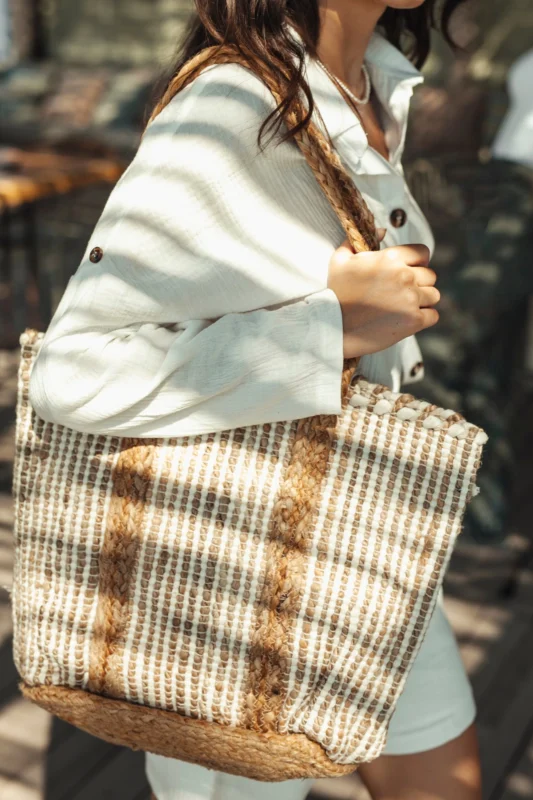
Shake off the sand: After a day at the beach, shake out the bag to remove any sand or debris. This prevents abrasion and keeps the material in good condition.
Spot cleaning : For small stains, use a damp cloth with mild soap or a gentle fabric cleaner to spot clean the stains. Avoid using harsh chemicals that could damage the bag's fibers.
Air dry thoroughly: If the bag gets wet, let it dry thoroughly before storing it. Avoid contact with direct sunlight and high heat, as they can cause fading.
Store in a cool, dry place: When not in use, store the beach bag in a cool, dry place. Avoid humid environments, as they can promote mold growth.
Avoid overloading: While jute is a sturdy material, avoid overloading the bag with heavy items, as this can strain the handles and affect the overall structure.